

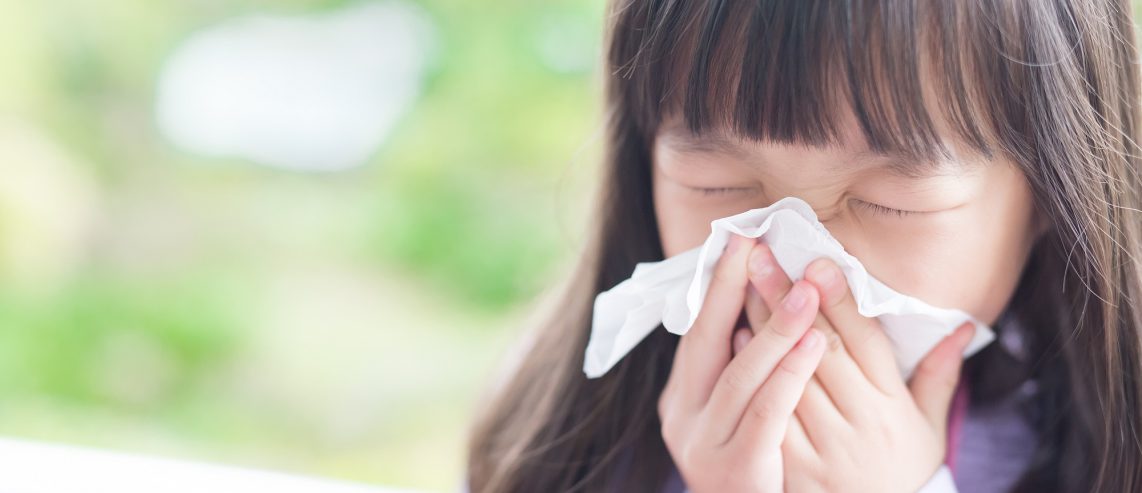


You may chalk your kid’s sniffles, sneezes, or never-ending runny nose up to a simple cold. But if cold-like symptoms happen at about the same time each year, then seasonal allergies are a possible cause.
Here’s how to tell if your child has seasonal allergies.
What Are Seasonal Allergies?
Seasonal allergies are a type of allergic rhinitis. They occur when a trigger, called an allergen, irritates or inflames your nose or nasal passages.
Seasonal allergies happen mainly because of pollen from trees, grasses, and weeds. But outdoor mold — often found in leaf matter — can also trigger seasonal allergies.
Can Kids Get Seasonal Allergies?
Seasonal allergies in kids are common. They often begin in childhood and worsen as you age and come into contact with more environmental allergens. But they can also run in families — if one or both of your parents have seasonal allergies, you’re more likely to develop them, too.
Nearly one in five children has seasonal pediatric allergies, according to the Centers for Disease Control and Prevention (CDC). Boys are more susceptible — about 20% of boys have seasonal allergies, but fewer than 18% of girls do.
Can toddlers have seasonal allergies?
A toddler usually needs at least a couple of exposures to seasonal allergens to develop seasonal allergies. Still, the CDC estimates that 10% of children under age 5 have seasonal allergies.
Because younger kids can’t tell you how they’re feeling, you have to look for symptoms and clues.
Signs of Seasonal Allergies in Kids
Colds can happen at any time of year, with cold symptoms lasting about a week to 10 days. But your child may have a seasonal allergy instead of a cold if:
- Ongoing and repeated cold-like symptoms persist for more than a week.
- Symptoms happen at about the same time every year.
Symptoms of seasonal allergies
Seasonal allergies rarely cause a fever. If your child has a fever, it’s more likely due to a viral infection, such as the common cold or flu.
Typical seasonal allergy symptoms in kids include:
- Congested or stuffy nose.
- Ear popping or infections caused by inflammation and fluid buildup.
- Itchy nose or throat.
- Itchy, red, runny, or watery eyes.
- Mouth breathing during sleep because of a stuffy nose.
- Runny nose.
- Sneezing or sniffling.
- Sore throat because of postnasal drip in the back of the throat.
Problems With Seasonal Allergies in Kids
Kids’ seasonal allergies are more than annoying. They can affect your child’s health and quality of life.
Allergies, including seasonal ones, are a big reason kids miss school. Seasonal allergies can also make asthma worse.
According to the American Academy of Pediatrics, 80% of kids who have asthma also have allergies. For these kids, allergy triggers are the most common cause of an asthma attack.
If your child has seasonal allergies, it’s important to get testing and treatment and reduce their risk.
Testing for Seasonal Allergies in Kids
Your child’s doctor can help figure out if your child has seasonal allergies or something else. They may refer your child to an allergist, a specialist in treating allergies. The allergist will decide which tests your child needs to find out if they have seasonal allergies.
Testing for seasonal allergies involves:
- Doing a physical exam.
- Learning your child’s and family’s medical history.
- Ordering allergy sensitivity testing, including skin prick tests with an allergy specialist.
Tips for Managing Kids’ Allergy Symptoms
You can’t prevent your child from developing seasonal allergies. But there are things you can do to reduce your child’s risk.
If you know what triggers their allergy symptoms, you can work to avoid or reduce their exposure. For instance, you can check pollen and mold forecasts and stay inside when levels are high.
If pollen is the culprit, you can also keep windows and doors closed during allergy season and use air conditioning instead. You should also avoid hanging clothes or bedding outside to dry to avoid pollen allergy symptoms.
You can also teach your child to:
- Change their clothes when they come home for the day.
- Limit contact with pets who spend time outdoors. Wipe down their fur when they come inside.
- Not touch their eyes when they’re outdoors.
- Shower before bed to remove pollen from their skin and hair.
- Take off their shoes before coming inside.
- Wash their hands as soon as they come in the house.
Treatments for Seasonal Allergies in Kids
Your child’s doctor will decide how to treat your child’s allergies. Options for allergy relief for kids depend on specific symptoms, their medical history, and how they react to the medicine.
If your child has mild symptoms, simple lifestyle changes may do the trick.
Allergy medicine for kids
Simple saline nasal sprays, which help flush pollen out of the nose, can also help relieve allergy symptoms. Over-the-counter (OTC) and prescription medicines include:
- Antihistamines (oral, liquid, or nasal spray) — Block histamine reactions.
- Corticosteroid nasal sprays — Reduce swelling and inflammation.
- Decongestant nasal sprays — Provide short-term relief (less than three days).
Many adult OTC allergy meds are safe for children in kid-sized doses. But always talk to your child’s pediatrician first to confirm before giving them any medicine. If their doctor recommends allergy medicine, help your child take it safely by:
- Giving the dose your doctor suggests for your child’s age or weight.
- Making sure the active ingredients aren’t the same as those in other medicines they take.
- Reading and following the medicine’s label.
Immunotherapy
If medicine doesn’t help your child or they have trouble taking it regularly, allergen immunotherapy is another possible option. It involves seeing a pediatric ENT (ear, nose, and throat specialist) and getting:
- Allergy shots — From an allergist.
- Allergy tablets — Which dissolve under the tongue.
Allergy medicine works best when taken at least two weeks before allergy season begins. This helps prevent your child’s body from releasing histamine and other chemicals that cause seasonal allergy symptoms.
Different plants release their pollen at other times, causing pollen seasons. When you know what plant causes your child’s seasonal allergies, you can look up when it releases pollen where you live. Use that timeline as a guide for starting treatment.
Pollen seasons vary by region, but for example:
- Grass pollen — Occurs from April through June.
- Tree pollen — Occurs from February through May. In some warmer climates, tree pollen may start as early as January.
- Weed pollen — Occurs from August through November.
Editor's Note: This article was originally published on , and was last reviewed on .
Sources
More Than a Quarter of U.S. Adults and Children Have at Least One Allergy. Centers for Disease Control and Prevention. National Center for Health Statistics. Link.
Diagnosing Allergies in Children. American College of Allergy, Asthma, and Immunology. Link.
Seasonal Allergies in Children. American Academy of Pediatrics. Healthychildren.org. Link.
9 Asthma Triggers and What to Do About Them. American Academy of Pediatrics. HealthyChildren.org. Link.
Hay Fever Triggers. Tips For Parents. American Academy of Pediatrics. HealthyChildren.org. Link.
Common Seasonal Allergy Triggers. American College of Allergy, Asthma, and Immunology. Link.
Pollen and Your Health. Centers for Disease Control and Prevention. Link.
Pollen Allergy. Asthma and Allergy Foundation of America. Link.
Nasal Allergies (Rhinitis). Asthma and Allergy Foundation of America. Link.
Allergy Relief for Your Child. Food and Drug Administration. Link.
Seasonal Allergies: Which Medication is Right for You? Food and Drug Administration. Link.
Flonase, Afrin, Nasacort, and More: What's the Best OTC Nasal Spray for Allergies? GoodRX. Link.