

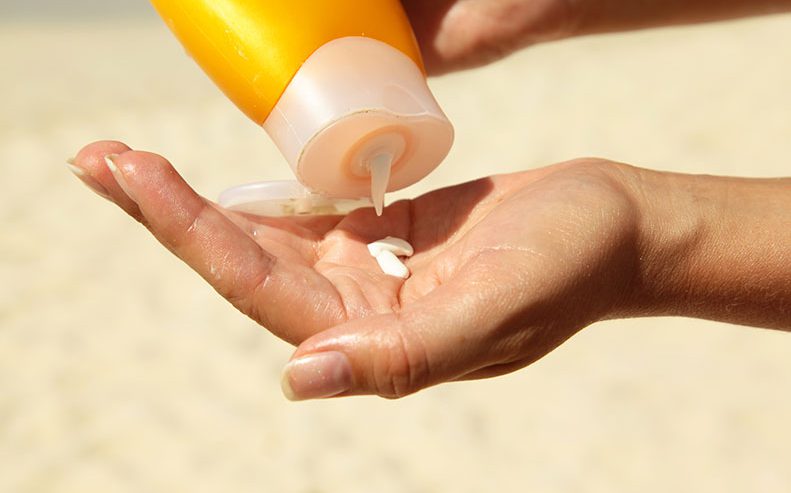


Protecting your skin from the sun is one of the most important steps you can take for your long-term health. UV (ultraviolet) rays can damage your skin, and exposure adds up.
Most people know to wear sunscreen, seek shade, and cover up. Even so, small, everyday mistakes can affect how well those habits actually protect you.
10 Common Sunscreen Mistakes
Mistake 1: Visiting a tanning salon to prevent burning
The idea of getting a “base tan” is a myth. A tan is skin damage, not protection.
Indoor tanning exposes your skin to intense UV radiation, often stronger than natural sunlight. This is a known cause that increases your risk of skin cancer, including melanoma.
Avoiding indoor tanning is just one way to reduce unnecessary UV exposure. Also refrain from:
- Repeated tanning before vacations.
- Skipping sunscreen.
Mistake 2: Applying sunscreen after you’re already in the sun
Sunscreen works best when it’s applied 15 minutes before sun exposure, according to The American Academy of Dermatology (AAD). Waiting until you’re already outside means your skin may begin absorbing UV rays right away. To get the most from your sunscreen, make sure you:
- Apply sunscreen before going outside.
- Cover all exposed skin.
- Include areas like your ears and neck.
Mistake 3: Not reapplying sunscreen often enough
Sunscreen wears off with time, sweat, and movement. Even water‑resistant formulas lose effectiveness after swimming or heavy sweating. To stay protected, plan to reapply every two hours and after:
- Sweating.
- Swimming.
- Towel drying.
Mistake 4: Not using enough sunscreen
Most people don’t apply enough sunscreen to get the full SPF listed on the label. This results in using only about a quarter to half of the recommended amount. Under‑application dramatically reduces protection.
Always use more sunscreen than you think you need:
- 1 teaspoon for face and neck.
- 1 ounce (a shot‑glass amount) for remainder of exposed areas on body.
Mistake 5: Not using sunscreen with the correct SPF
The sun protection factor (SPF) measures how well sunscreen protects your skin from UVB rays, which cause sunburn. For protection against both UVB and UVA rays, look for a broad-spectrum sunscreen.
Using a sunscreen with an SPF that’s too low or not broad-spectrum may leave your skin more exposed than you realize. When choosing a sunscreen, look for:
- A formula you’ll use consistently.
- Broad-spectrum protection.
- SPF 30 or higher.
Mistake 6: Missing important areas on the body
Even when you apply sunscreen carefully, it’s easy to overlook certain areas. Repeated exposure in these areas causes sunburn and long-term skin damage. During application, be sure not to miss:
- Ears.
- Hairline or scalp.
- Lips.
- Neck (front and back).
- Sides of the face.
- Tops of the feet.
Mistake 7: Only using sunscreen on sunny days
Sun protection isn’t just for bright, hot days. UV rays pass through clouds and windows, and sun damage happens while driving, sitting near a window, or walking outside — even briefly.
In addition, UV exposure increases when sunlight reflects off surfaces like water, sand, snow, and concrete. To protect your skin year-round in any environment:
- Apply sunscreen daily.
- Reapply during extended outdoor time.
- Use protection even on cloudy days.
Mistake 8: Relying on sunscreen alone
Sunscreen is an important layer of protection, but it works best when combined with other methods. Relying solely on sunscreen can leave gaps, especially during long periods spent outdoors. Strengthen your sun protection by:
- Choosing protective clothing when possible.
- Seeking shade during peak sun hours.
- Wearing wide-brimmed hats and sunglasses with UV protection.
Mistake 9: Using expired or improperly stored sunscreen
Most sunscreens last about three years if unopened. But they can break down over time, especially when exposed to heat or direct sunlight. To ensure your sunscreen is still effective:
- Check the expiration date.
- Never leave sunscreen in your beach bag or car.
- Replace sunscreen that smells or looks different.
- Store it in a cool, dry place.
Mistake 10: Choosing the wrong sunscreen for your skin or lifestyle
The best sunscreen is the one you’ll use every day. If a product feels heavy, irritating, or difficult to apply, it’s much harder to stay consistent.
Your skin type and daily routine both play a role in finding the right fit. SPF moisturizers can work well for incidental exposure, like running errands, but they don’t offer the same durability or coverage.
To find a sunscreen that fits your routine and preferences, consider:
- Lightweight, non‑comedogenic formulas for acne-prone skin.
- Mineral sunscreen for sensitive skin.
- Water-resistant options for outdoor activity or sports.
What’s the Difference Between Sunscreens?
Sun damage comes from UV rays. These rays reach your skin any time you’re outside — even on cloudy days or during short periods of exposure. There are two main types of UV rays that affect your skin:
- UVA rays — Reach deeper layers of the skin and cause early aging, like wrinkles and dark spots.
- UVB rays — Affect the outer layer of the skin and cause sunburn.
Both types of UV rays can damage skin cells and increase your risk of skin cancer. That’s why broad-spectrum sunscreen — which protects against both UVA and UVB rays — is important. Sunscreen differs in how it works on your skin:
- Chemical sunscreen — Absorbs into the skin and converts UV rays into heat. These formulas tend to feel lighter and blend more easily.
- Mineral sunscreen — Sits on top of the skin and reflects UV rays. These formulas are good for sensitive or reactive skin.
Signs You’ve Had Too Much Sun
Too much sun exposure doesn’t always show up right away. It can build and lead to symptoms later in the day.
Mild sun exposure may cause redness, warmth, or tight skin. More severe sun exposure can lead to what is often called sun poisoning.
If symptoms are severe or don’t improve, contact your health care provider. Watch for these signs of more serious sun exposure:
- Blistering skin.
- Fever or chills.
- Headache.
- Nausea.
- Severe redness or swelling.
Daily Sun Protection Made Simple
Keep sun protection simple — what matters most is consistency. Small, everyday habits can make a meaningful difference, such as:
- Adding hats, shade, and protective clothing.
- Applying sunscreen 15 minutes before going outside.
- Covering often-missed areas.
- Reapplying every two hours, more often if sweating or swimming.
- Seeking shade during peak sun hours.
Editor's Note: This article was originally published on , and was last reviewed on .