

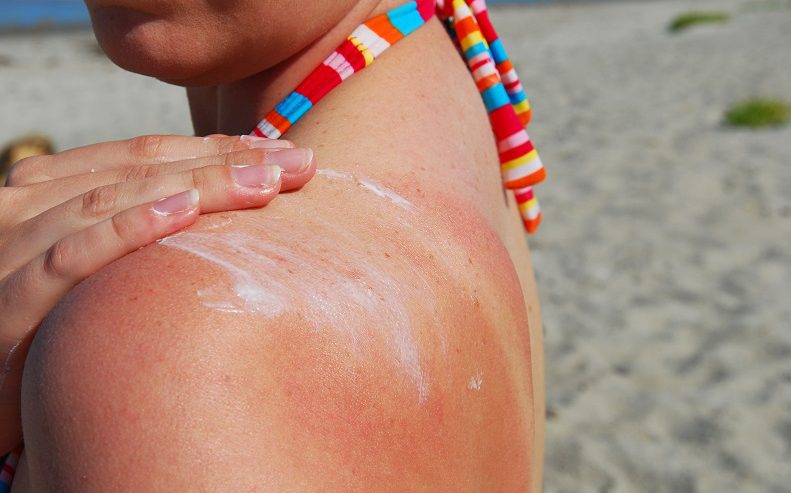


It happens: Sun and fun lead to too much sun, and we end up with uncomfortable consequences. Whether we didn’t reapply sunscreen, dozed off by the pool, or used a tanning bed, we experience sunburn or sun poisoning symptoms.
Almost everyone, regardless of skin color, has experienced the discomfort of sunburn, says Kevin M. Wong, MD, Westmoreland Family Medicine – UPMC. Sunburn occurs with exposure to ultraviolet (UV) rays from the sun or tanning beds. The severity of sunburn depends on the duration and intensity of exposure to those rays.
Is It Sunburn or Sun Poisoning?
Every year, more than one-third of the population experiences sunburn. Sometimes, it’s difficult to tell the difference between sunburn and sun poisoning.
Sunburn is skin redness that will go away after a few days. Sun poisoning is a more serious irritation that shows up as hives or blisters. Some people call these hives a “sun rash,” a rash on a sunburn.
Sunburn occurs when you expose your skin to the sun for a length of time that’s sufficient to cause irritation and redness. Itchy, peeling skin that’s sensitive to touch is never fun. Sunburns are often painful. In most cases, however, conservative treatments like applying lotion, salve, and cool compresses are all we need to recover.
A severe sunburn may lead to flu-like symptoms. However, a severe sunburn does not result in rashes or hives.
It’s often difficult to judge how serious your sun exposure is. The severity of your sunburn depends on several factors, including:
- Your geographic location.
- Your length of exposure.
- Your skin type.
- Underlying factors such as other health conditions you have or medications you’re taking.
Sunburn Symptoms
The first signs of a sunburn may not appear for a few hours. By the time the skin starts to become painful and red, the damage is done. The full effect on your skin may not appear for 24 hours or longer.
Some symptoms of sunburn include:
- Skin redness.
- Skin that’s hot or warm to the touch.
- Swelling.
- Tenderness or itchiness.
Sunburn symptoms themselves are temporary, with pain peaking between six and 48 hours post-sun exposure. But the long-term damage to skin cells from a sunburn can be lasting and include premature skin aging and skin cancer.
Treatment for Sunburn
If you do get a sunburn, stay out of the sun for several days to avoid further harmful UV ray exposure. Wear loose, comfortable cotton clothing to stay cool and prevent irritation from fabric. Here are some additional dos and don’ts.
Do:
- Apply cortisone creams or creams with vitamins C and E to help limit damage to skin cells.
- Drink plenty of water.
- Take over-the-counter pain relievers.
Don’t:
- Pick at or peel skin.
- Use butter, petroleum jelly (Vaseline), or other oil-based products. They can block pores, trapping heat and sweat, which can lead to infection.
- Use products that contain benzocaine or lidocaine. They are allergens to some people and make burns worse.
Sun Poisoning Symptoms
Sun poisoning, unlike sunburn, is your skin’s allergic reaction to an excessive amount of UV rays. It happens when you’ve been out in the sun for long periods of time without proper protection. It often manifests in blisters or a sun rash, with severity depending on your length of exposure.
Its symptoms are often additional to — and more serious than — those of a sunburn. Some of these symptoms include:
- Blisters.
- Dehydration.
- Fever or chills.
- Headache or dizziness.
- Hives or rash covering a sunburn, also known as a sun rash.
- Nausea.
If you’re experiencing any of these symptoms, move to a cool, shaded area out of direct sunlight immediately. If you have severe nausea, fever, or dizziness, check in with your doctor or a medical professional.
Treatment for Sun Poisoning
Most sunburn and sun poisoning can be treated similarly and at home. Here are additional suggestions to deal with sun poisoning:
- Avoid scratching your sun rash or popping blisters.
- Gently exfoliate peeling skin.
- Take ibuprofen or naproxen to minimize swelling, Dr. Wong recommends.
Protecting Your Skin from the Sun
Protecting your skin from the sun can help prevent melanoma, other skin cancers, and premature aging. Remember that there is no such thing as a safe and healthy tan.
Two types of UV light are proven to contribute to the risk of skin cancer:
- Ultraviolet A (UVA) — UVA has a longer wavelength. UVA waves are tied to skin aging.
- Ultraviolet B (UVB) — UVB has a shorter wavelength. UVB rays are tied to skin burning.
While UVA and UVB rays differ in how they affect the skin, they both do harm.
The best way to protect your skin and avoid sunburn or sun poisoning is prevention. Keep these tips in mind:
- Apply a broad-spectrum sunscreen with SPF 30 or higher. A broad-spectrum sunscreen protects from both UVB and UVA rays. Reapply sunscreen after swimming or sweating or at least every two hours.
- Never use a tanning bed.
- Stay out of the sun during the hours when its rays are strongest, between 10 a.m. and 4 p.m.
- Use a lip balm with sunscreen.
- Wear a hat with a wide brim and other protective clothing. Light-colored clothing reflects the sun most effectively.
- Wear sunglasses with UV protection.
When using sunscreen, apply 15 to 30 minutes before sun exposure and every two hours afterward. “Remember to reapply after long exposure or getting wet,” Dr. Wong says.
Use sunscreen even on cloudy days and winter months to limit the sun’s damaging cumulative effects. While your body can repair some DNA damage in skin cells, it can’t repair all of it.
Lastly, don’t depend on sunscreen and other protection to block all sun. If you begin to burn or if your skin is red, bumpy, or irritated from exposure, move to a shaded area. Try to plan outdoor activities in the morning, late afternoon, or evening hours to avoid the most intense UV exposure.
Editor's Note: This article was originally published on , and was last reviewed on .