


Your circulatory system is responsible for transporting blood, oxygen, and nutrients throughout your body. Poor circulation can cause many health problems, including blockages that could lead to a stroke.
Raymond Eid, MD, a vascular surgeon at the UPMC Heart and Vascular Institute, shares the importance of healthy blood flow and offers solutions for circulation issues.
Q: What is chronic venous insufficiency (CVI)?
A: Chronic venous insufficiency occurs when veins in the lower extremities become inefficient in returning blood flow from the legs to the heart. This typically happens when the vein valves, which normally allow one-way blood flow against gravity, become incompetent or damaged. This causes reflux or reversal of blood flow ultimately leading to blood pooling in the legs and high venous pressure.
High venous pressure causes stretching of the veins leading to large varicose veins. This also causes swelling primarily around the ankles and inflammation. Other signs are darkening of the skin, thinning of the skin, and increased susceptibility to developing open wounds even with minor scratches. Once these wounds develop, it may take a long time before they heal because of the skin and surrounding tissue quality, as well as the high venous pressure.
Q: What are the signs of a blood vessel blockage in the legs?
A: Blood vessel blockage in the legs can be uncomfortable and painful. There are many signs that can point to it.
Walking cramps in the lower body, or claudication, can be a clear sign. These cramps will often present during exercise and end with rest. A more extreme version is a persistent pain in the feet at all times or foot wounds that won’t heal.
Q: What is peripheral artery disease (PAD), and how do you prevent it?
A: Peripheral artery disease (PAD) is a circulatory condition where the arteries that supply blood flow to the limbs become narrowed or blocked. This happens due to the buildup of plaque in the arteries, known as atherosclerosis. This is linked to strokes and heart attacks, both of which happen due to blockages in the arteries supplying blood to the brain or the heart, respectively.
To prevent PAD, we recommend:
- Adjusting your diet and exercise routine to help lower your cholesterol.
- Finding healthy ways to lose weight.
- Reducing your blood pressure.
- Quitting smoking.
One of the simplest ways to prevent PAD is through regular exercise, like walking. Walking builds collateral blood vessels and has numerous other health benefits. Talk with your doctor about ways to reduce your blood pressure, lower your cholesterol, and establish an exercise routine.
Q: Can you reduce atherosclerosis with diet?
A: Atherosclerosis is the gradual buildup of plaque or hardening of the walls of the arteries. This can be reduced with diet changes.
You can slow or stop the progression of atherosclerosis with diet by eliminating fats and sugars that you consume. There are also medicines that slow the deposits down and stabilize the atherosclerosis and slow it from progressing. So far, we do not have a medication that “removes” or reverses plaque buildup.
Q: What exercise do you think is best for circulating blood?
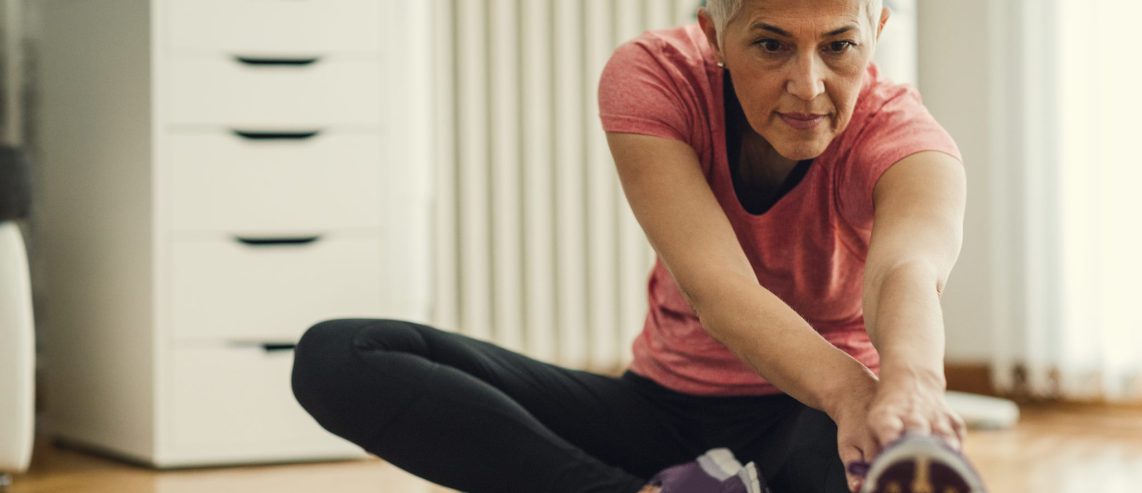
A: Walking is a simple and easy way to increase circulation. You can start small, with slow, shorter walks. If you can do more, you can gradually increase your speed or distance. We also recommend stretching, doing yoga, or any other exercise that will get your body moving. It is important to quit smoking, stay hydrated, and eat a healthy diet to maintain good circulation.
Q: What are compression socks, and how do you get the right fit for them?
A: Compression socks can help improve venous circulation and reduce swelling or pain. These apply constant pressure to the ankle and calf area and can help blood flow up toward the heart. Compression stockings come in different fabrics, levels of compression, and types. We recommend talking with your doctor to determine the best fit for your condition.
Q: When should you seek care from a vascular surgeon?
A: If you have large varicose veins, asymmetric swelling, leg heaviness, pain, skin darkening or discoloration, leg cramping/pain with walking or leg wounds (recurrent or non-healing), we recommend talking with your doctor and seeking care with a vascular surgeon.
Our team will perform a thorough evaluation and recommend the best treatment plan for you. We are available to answer any questions and help you address any concerns regarding your circulation. To prevent growing health conditions, it is important to take the necessary steps to prevent and treat circulation issues.