

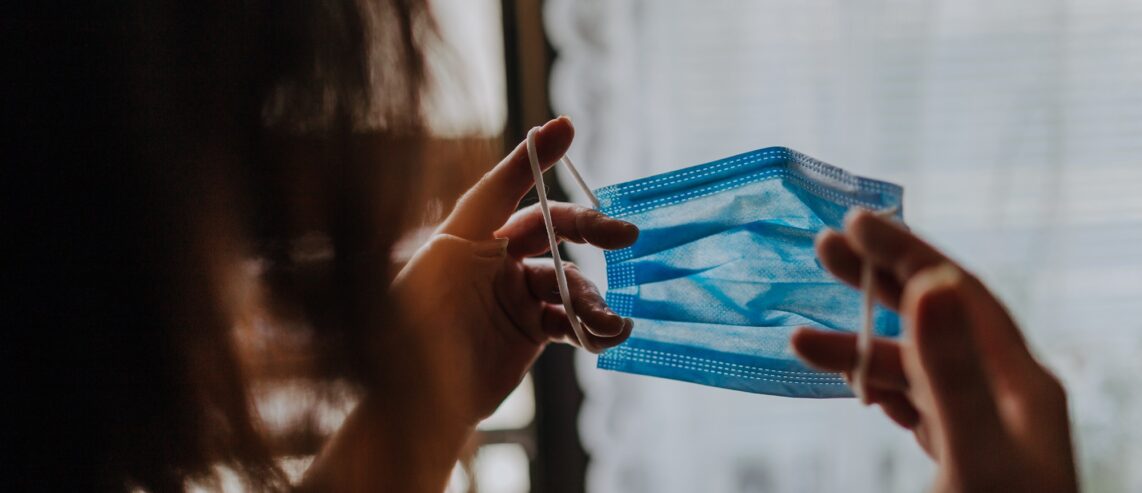


As winter approaches, many wonder if we should start wearing masks again.
With COVID-19, flu, and other viruses going around, let’s review the latest guidelines and expert advice on masking.
Here’s what you should know about masking during the 2024-25 winter season.
To find out if masking is currently required at UPMC facilities, please call 833-390-9489 or visit UPMC.com/VisitorInfo. Those with symptoms of a respiratory illness amustbe masked at all times to prevent spread.
Why Do People Wear Masks in 2024?
Even though cases of COVID-19 have declined since their 2020 surge, it has never stopped circulating. Many people still choose to wear masks in 2024.
There are several reasons, including health concerns, environmental factors, and personal choice. People may also wear masks if they have respiratory symptoms and do not want to spread their infection.
Reasons people may choose to mask up in 2024 include:
- Personal comfort — Some people wear masks to feel more comfortable in crowded or indoor spaces.
- Protecting those at high risk — Masks can protect older adults or people with health issues.
- Preventing the spread of illnesses — Masks help reduce the spread of respiratory viruses like COVID-19, flu, and respiratory syncytial virus (RSV).
- Public health suggestions — Health authorities suggest mask-wearing in certain situations, especially during surges.
Masks are a valuable tool for your health and protecting your community from illness.
Whether to safeguard themselves or their community, people have various reasons for wearing a mask in 2024.
When to Consider Wearing a Mask
Masks are key in situations with a higher risk of spreading or catching illnesses. Knowing these scenarios can help you make informed decisions about mask usage.
Consider masking in these situations.
- During flights — Air travel involves being in close quarters with many people, which raises the risk of spreading viruses. Wearing a mask can help reduce this risk and protect yourself and others.
- Healthcare settings — Wearing a mask can help protect healthcare workers and other patients. In these settings, you may need to wear a mask if you have symptoms or if infections are spreading in the community.
- Public transport — Buses, subways, and trains are often crowded. Viruses can spread easily among passengers.
- Large gatherings — Concerts, sports games, or indoor celebrations can be rife with viruses. Masks can help reduce the risk of catching one.
Tips for Choosing and Wearing Masks
Wearing a well-fit mask can significantly enhance your safety and comfort. Here’s what to consider when selecting a mask.
- Your options — Surgical and medical masks, K95 masks, and N95 masks are all good options. N95 or KN95 masks offer better protection.
- Practice good hygiene — Wash your hands before and after handling your mask and avoid touching your face while wearing it.
- Replace when necessary — If your mask gets damp or dirty, replace it with a new one to maintain effectiveness.
- Wear it properly — Make sure the mask covers your nose and mouth and fits snugly against the sides of your face.
Tips for Protecting Yourself from COVID-19 This Winter
Winter brings chilly weather and an uptick in respiratory illnesses. These include COVID-19, the flu, and other respiratory germs.
Here’s how you can protect yourself during the colder months:
- Follow updates — Keep up with the latest health information from the CDC and WHO.
- Get vaccinated — The latest COVID-19 vaccine protects against new variants and can prevent serious complications.
- Get your flu shot — A flu shot is vital to prevent infections and serious complications.
- Get your RSV vaccine — Adults aged 60 and older can die or get severely ill from RSV. A new vaccine can help. Pregnant people can also get it to confer immunity to their baby.
- Stay home when sick — If you have symptoms of a respiratory virus, stay home to avoid spreading the virus. If you have to go out, wear a mask to protect others.
- Practice good hygiene — Wash your hands with soap for at least 20 seconds. Use hand sanitizer when soap isn’t available.
- Respiratory etiquette — Cover your mouth and nose when coughing or sneezing to prevent the spread of germs.
- Wear a well-fitted mask — Use masks in crowded or indoor settings, especially where it’s hard to keep your distance. If you wear a mask, ensure it covers your nose and mouth and fits snugly.
- Avoid crowds — Steer clear of large gatherings. Maintain a safe distance from others if possible.
- Improve ventilation — Keep indoor spaces well-ventilated by opening windows or using air purifiers.
Should You Wear a Mask After Getting COVID-19?
Yes, you should consider wearing a mask after recovering from COVID-19. Masking and staying home can help prevent you from spreading the virus to others.
This is key, especially if you’re still experiencing symptoms or around people at high risk. You could still be shedding the virus and get others sick.
Your immunity from a previous infection doesn’t guarantee you won’t catch or spread it again. Being cautious and wearing a mask in crowded or enclosed spaces can further reduce the risk of another illness.
It’s a simple and effective way to protect your community while you fully recover.
So, Should I Mask Up This Winter?
When and where to wear a mask is a personal choice. It’s essential to consider the current health situation and the advice of public health experts. Wearing a mask can help protect you and those around you from respiratory illnesses this winter.
We can all contribute to a healthier and safer community. Stay informed, practice good mask etiquette, and get recommended seasonal vaccines.