
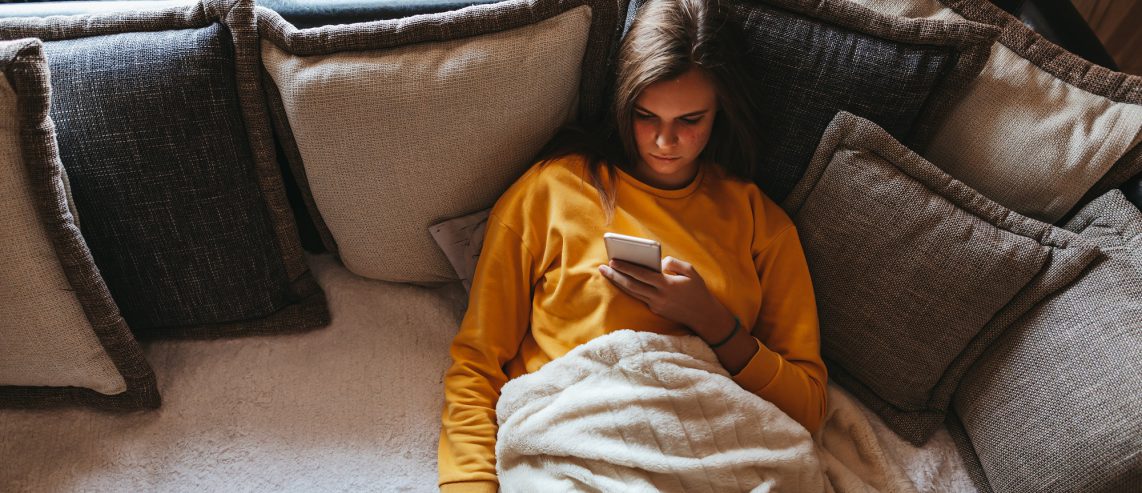


With 24-hour news channels and an endless social media stream, it’s easy to stay up-to-date on the latest news. But it’s not always a good idea, especially if you’re seeing, reading, or hearing too much bad news. Keeping up with all that gloom and doom can affect your mental and physical health.
According to a 2022 study by Texas Tech University, among people with problematic or high levels of news viewing:
- Nearly 74% experienced stress or anxiety “quite a bit” or “very much.”
- 61% reported feeling physically ill “quite a bit” or “very much.” Physical symptoms included fatigue, physical pain, poor concentration, and stomach problems.
What Is Headline Stress Disorder?
Psychologist Steven Stosny, PhD, first coined the term “headline stress disorder” in Psychology Today. He defined it as a high emotional response to endless media alerts and negative news.
“It’s not an actual medical diagnosis at this point, but it can definitely lead to the equivalent of post-traumatic stress disorder,” says Heather Young, CRNP, a psychiatric nurse practitioner at UPMC Williamsport.
Whether called bad news fatigue, headline stress disorder, or something else, it means the same thing: You’re having trouble dealing with all the bad news in the world.
It’s easy to understand why you may have had difficulty processing the news. Some scary events have dominated the news cycle in the last few years alone. You may find it challenging to cope with the COVID-19 pandemic, mass shootings, and natural disasters that make headlines.
Protecting Your Mental Health from the Headlines
Young says that feeling helpless and hopeless about events outside of your control is normal. But when these events start to affect your mental and physical health, it’s time to change your viewing habits. Young offers these tips to help you stay informed without making yourself sick.
Limit your screen time
One huge thing we can do to protect our mental health is moderate how much we’re watching, says Young. She suggests one hour of daily news, including social media and online sources. If you still feel anxious, reduce your viewing time even further.
Or, you can take several days off entirely.
“Take a break when you need to,” Young says. “You may find a few days off does a world of good.”
Restrict social media
“Even though it’s not a news platform, people on your (social media) feed may share news, so you’re still seeing it over and over,” Young says. Try a social media cleanse — not visiting your platforms of choice for a few days. Or hide or delete posts, social media feeds, or entire apps if the news you see there triggers stress and anxiety.
Offset bad news with good news
For a change of pace, Young recommends watching the Good News Network. And switch to local news, which may have fewer negative or overwhelming news stories.
“Every day, there’s something nice happening in the world; we just don’t always hear about it,” Young says. “Focusing on more positive or local news helps to offset the stress from global events.”
Don’t feel guilty for tuning out
When we see tragic events on the news, many of us want to do something to help. People sometimes feel like they are part of the problem if they don’t keep up with the news. But you can’t help anyone if your mental health takes a nosedive from bad news fatigue, Young says.
Avoid triggering topics
When you can relate to something that happens on the news, it can trigger and worsen stress and anxiety, Young says. For example, many people have firsthand experience with illnesses or natural disasters. If hearing about certain topics overwhelms you, try to avoid them.
Take care of yourself first
“With everything that goes on all the time, we really need to build our own resilience,” Young says. That means focusing on your health. Make sure you eat healthy, exercise regularly, and get enough sleep.
Taking care of yourself can help you manage external stress and anxiety.
Distract yourself
“Think about what helps put you in a good mood,” Young says. Make a list of your favorite things to do. And then do those instead of scrolling on social media or watching cable news.
Practice the opposite reaction
“If you’re frowning, your body responds to that,” Young says. “Instead, turn your frown upside down by making the corners of your mouth go up. That releases chemicals in your brain that can make you feel better.”
Get out and get away for a while
Go for a long walk to help you manage your stress. Turn off the TV, put away your phone, and spend time with friends and family.
“It’s important to build your support system to help build resilience,” Young says.
Focus on what you can do to help
It’s common to feel helpless in the face of large, tragic, or global events. Instead of thinking there’s nothing you can do about it, focus on what you can do, Young says.
“With everything going wrong in the world, we can’t change events that are happening. We can only change how we feel about them,” Young says. “You can help yourself feel better by helping other people.”
Do You Need Help?
Young says you may need professional mental help if:
- You can’t seem to break away from watching the news.
- You find that the news cycle has impacted your mental health.
Talk to your doctor to find out about mental health resources in your community. They can refer you to a mental health professional.