



If you’re breastfeeding your infant, chances are you’ve wondered and worried about your milk supply.
It’s normal to be concerned that your baby isn’t getting the nutrition they need because you’re not making enough milk. The good news is that this typically isn’t the case.
Breastfeeding works on the supply and demand system, which means the more often you feed your baby, the more milk you produce. But following a diet with a good balance of proteins, carbohydrates, and fats will help you care for yourself as you breastfeed your child.
It’s important to note that there’s no concrete scientific evidence showing that a particular food increases breast milk supply. Consuming these foods alone will not have any effect on your supply. These foods may help only if milk is removed regularly and frequently.
Read on to learn what foods may help promote milk production and which foods to avoid to support your breast milk supply.
What Foods Help Lactation?
Your milk supply is naturally regulated by how much your baby demands or how much you pump.
If you’re worried about your milk supply and need to enhance it, please talk to a lactation consultant. They’ll be able to help determine if these foods and herbs are right for you.
Foods That Promote Milk Production
Vegetables, whole grains, and herbs high in plant estrogens and other compounds that may support milk supply are known as galactagogues. New mothers in many cultures have used these foods for centuries to optimize breastfeeding.
Some popular galactagogues include:
- Alfalfa sprouts.
- Brewer’s yeast.
- Blackstrap molasses.
- Fennel or fennel seeds.
- Fenugreek seeds.
- Flaxseeds.
- Garlic.
- Ginger.
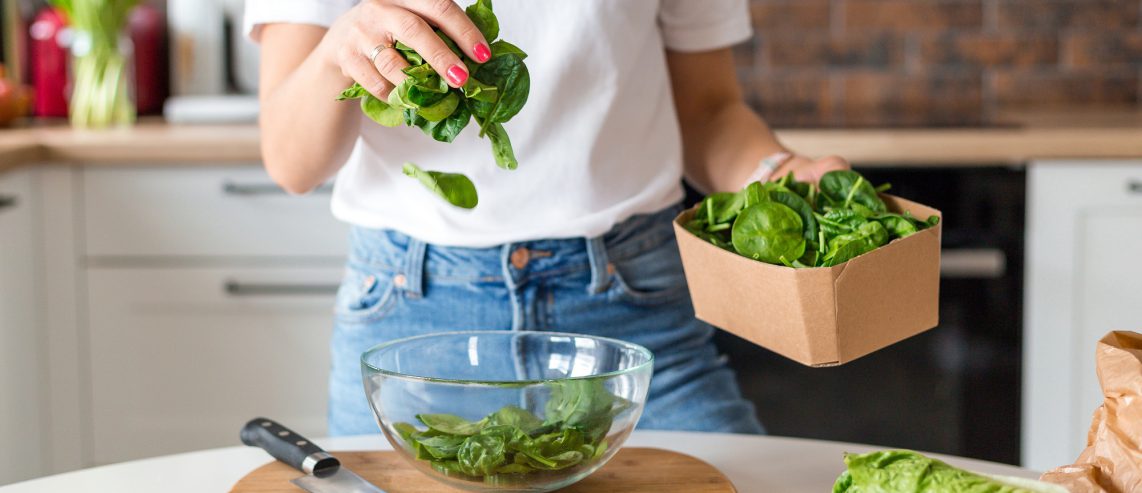
- Leafy green vegetables like kale, spinach, and arugula.
- Legumes or beans like chickpeas and lentils.
- Nuts.
- Protein-rich foods like certain fish, chicken, meat, or tofu.
- Sesame seeds.
- Whole grains, especially oats and barley.
An easy way to include these in your diet is to combine them into healthy recipes. For instance:
- Oatmeal with ground flaxseeds, almonds, and berries.
- Stir-fry with tofu or chicken, leafy green vegetables, garlic, ginger, and fenugreek seeds.
- Vegetable, bean, and barley soup.
Galactagogue foods aside, eating a healthy diet is a great way to support a healthy milk supply. It will also make you feel better and give you more energy to take care of your new baby. Throughout the week, make sure you eat a wide variety of:
- Fruits and vegetables (asparagus, beets, carrots, green beans, spinach, papaya, apricots).
- Whole grains (oats, brown rice, quinoa, barley).
- Proteins (eggs, Greek yogurt, tofu, chicken, low-mercury fish like salmon, lean beef).
- Healthy fats (nuts, seeds, olive oil, avocados), which can increase the amount of healthy fats in breast milk.
What About Snacks?
There are dozens of breast milk-supporting snack options for busy new moms, including:
- Baked kale chips with garlic.
- Edamame.
- Granola bars.
- Greek yogurt, granola, and fruit.
- Hummus with veggies or whole grain crackers.
- Lactation cookies made from oats, brewer’s yeast, flaxseeds, and molasses.
- Roasted chickpeas.
What to Drink to Increase Breast Milk
Food gets all the attention as a way to increase your breast milk supply, but beverages are essential, too.
Breast milk is 87% water, so drinking enough fluids is important for breast milk production. If you find yourself more thirsty than usual when breastfeeding, it’s nature’s way of telling you to hydrate.
Nursing moms need about 100 ounces of fluids each day from beverages and foods (like the juice in fresh fruit). That’s about 13 cups, so make sure you keep your water bottle nearby.
Water is best, but milk (regular or fortified plant milk alternative) and juice are also good options. They’re both hydrating and provide many vitamins and minerals your body needs.
You can also buy or make lactation tea. These herbal teas feature galactagogues like fenugreek, ginger, fennel, and other herbs thought to boost milk supply. Although lactation teas are safe, check with your doctor to ensure the ingredients don’t interact with any medications or supplements you take.
What to Avoid
There aren’t specific foods that decrease milk supply when breastfeeding. But there are foods and beverages you may want to avoid for other reasons.
Caffeine
For instance, you should try to limit caffeine-rich beverages like coffee or regular tea. Too much caffeine might affect your sleep, or your baby’s. It can also lead to irritability and fussiness in some babies.
Certain fish
While fish can be part of a healthy diet, certain fish should be avoided while breastfeeding. This is because fish like shark, mackerel, and swordfish contain high levels of chemicals like mercury.
Alcohol
While you don’t need to avoid alcohol, you should limit your consumption while breastfeeding. Having a single drink and waiting two hours before you feed or pump will be safest for your baby. Remember, the things you eat and drink pass to your baby through your breast milk.
Spicy foods and cruciferous vegetables
While spicy foods or cruciferous vegetables like broccoli and cauliflower might make you gassy, they’re unlikely to have the same effect on your baby. If you’re worried that something you ate is bothering your baby, avoid the possibly offending food for a few days and see if it helps. You can always try them again later when your baby’s digestive tract is more mature.
Occasionally, babies are truly allergic to something in your diet. The most common culprit is cow’s milk protein. If your baby is fussy and gassy, isn’t gaining weight well, has reflux or blood or mucous in their stool, discuss the possibility of allergy with your child’s doctor.
If you’re worried, ask your doctor for a referral to a lactation consultant. They can make sure your baby is latching on and nursing properly.
Tips to Boost Milk Supply
Breastfeeding or pumping frequently is the primary way to increase your milk supply. But you can also support your milk supply by:
- Emptying your breasts at each feeding. Hand express or pump after breastfeeding to draw out all of the milk and signal your body to make more. Pumping or expressing milk frequently can help build your milk supply.
- Having skin-to-skin contact with your baby and massaging your breasts before feeding.
- Taking care of yourself. Get plenty of rest, eat well, drink enough fluids, and let others help you. Adequate rest and support are equally important in the postpartum period.
Do Soft Breasts Mean No Milk?
Soft breasts can still produce milk. Soft breasts are often completely normal, especially after breast fullness reduces in the first few weeks after giving birth.
Talk to Your Doctor
If your baby is feeding regularly and has a good latch, or you’re pumping regularly, your milk supply should keep up with your baby’s demand.
But if you need to supplement your supply, it’s important to consult a doctor and a lactation consultant. Don’t rely just on lactation foods.
Sources
Breastfeeding Medicine. ABM Clinical Protocol #9: Use of Galactogogues in Initiating or Augmenting Maternal Milk Production, Second Revision 2018. LINK
Frontiers in Pediatrics. Human Milk: An Ideal Food for Nutrition of Preterm Newborn. LINK
Academy of Nutrition and Dietetics. Nursing Your Baby? What You Eat and Drink Matters. LINK