

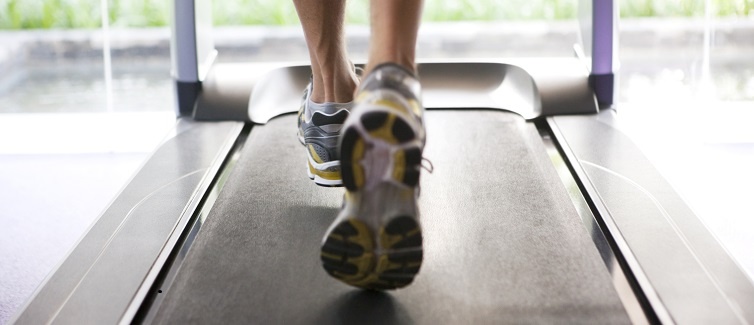


You’re logging dozens of miles each week to prepare for your next race, but now you have rough, yellowish patches on your feet.
Calluses, especially on the toes, are a common runner’s foot problem. These thick, rough patches of skin are due to repeated friction or pressure.
Foot calluses can result from any sport where your feet suffer recurrent pressure. Calluses from running typically form on your feet but can appear anywhere on the skin.
We get it: You’re proud of your running time and mileage, but you also want to wear sandals. How can you when you have unpleasant calluses from running? If your calluses are causing problems, there are ways to alleviate the irritation and pain they can cause.
What Causes Calluses in Runners?
Calluses form in runners mainly due to repeated mechanical stress on certain parts of the foot. When your feet strike the ground, especially on hard surfaces, they absorb a lot of impact. This constant pressure and friction thicken the skin as a defense mechanism.
If you’re training for a long-distance race or running daily, repetitive stress can make you more likely to develop calluses.
But excessive callusing might point to improper gait issues. For example, calluses on the same spot on both feet could suggest a recurring stress point caused by your stride. A gait analysis or professional consultation may help you adjust your running mechanics and correct issues that increase pressure on certain parts of your foot, like:
- Overpronation (rolling the foot inward).
- Supination (rolling outward).
Your running shoes may also share in the blame. Wearing ill-fitting shoes or running on an uneven surface can cause callus problems, too.
When Should You Be Concerned About Calluses?
Most calluses are harmless, but some can be signs of a bigger issue.
Be concerned if a callus:
- Becomes painful.
- Bleeds.
- Cracks open.
- Shows signs of infection, like redness or swelling.
These symptoms could indicate that the callus is too thick or has developed over an area of abnormal pressure or deformity.
How to Get Rid of Foot Callus Issues
If your calluses are bothering you, the American Academy of Dermatology recommends treating them yourself using the following steps:
- Soak your feet in warm, soapy water for five to 10 minutes.
- Wet a pumice stone (purchased at a local drugstore) and rub it on your wet calluses for two to three minutes. The stone can scrape off the dead, hard skin that has formed on your foot. Be careful not to scrub too hard or remove too much skin to avoid bleeding or infection.
- Repeat this process multiple times per week or as needed. Follow the scrub sessions with moisturizing foot cream to keep the area soft.
You can ask a pedicurist to remove a callus by scrubbing it with a file. But don’t let them overscrub a callus — that can lead to cracking, bleeding, or infection.
When to see a doctor about a runner’s foot callus
See a podiatrist if your calluses are painful or especially tough to remove. They can shave the callus correctly and prescribe a softening ointment.
While the pumice stone technique is safe for you to use at home, never try to shave or cut off your calluses on your own. Doing so can make your feet more susceptible to infection.
Footwear Choices to Prevent Calluses
Wondering how to prevent foot calluses or how to get rid of foot calluses from running? You can try these simple footwear-related tips:
- Choose proper footwear — Look for shoes with a roomy toe box to prevent crowding and rubbing, adequate arch support to distribute pressure evenly, and breathable materials to reduce moisture and friction. You can always visit a reputable running store to ensure you’re wearing the correct shoes for your feet.
- Rotate between two or more pairs of running shoes — Rotating footwear can help alter pressure points and reduce repetitive stress. Over time and miles, even high-quality shoes lose their cushioning and structure, so be sure to replace running shoes regularly.
- Wear moisture-wicking athletic socks — This prevents friction and sliding when running. Runner’s World recommends buying thicker socks with extra cushion in the areas where calluses commonly form. Some companies also sell foot ointment that can help reduce friction during activity, thus preventing calluses.
- Place cushions or a moleskine over calluses to reduce friction — Stick these in callus-prone areas to help prevent calluses from developing. You might also consider custom orthotics if you have high arches, flat feet, or other structural concerns that make you prone to runner’s foot issues like calluses.
Your podiatrist can also offer a gait analysis, which can help you find a better-fitting shoe that may help prevent further calluses.
The Upside: How Calluses Help Runners
There’s a benefit to having ugly calluses on your feet during sandal season. The repeated friction from contact between your foot and your shoe during running causes the skin on your foot to die and harden into a protective surface.
So, what’s the good news? This dry, hard layer protects the area experiencing friction. Calluses guard your feet against sores and blisters on those long runs.
If you suffer from runner’s foot problems like calluses, you don’t necessarily need to treat them. If the callus isn’t painful, it’s best to leave it alone.
Editor's Note: This article was originally published on , and was last reviewed on .