

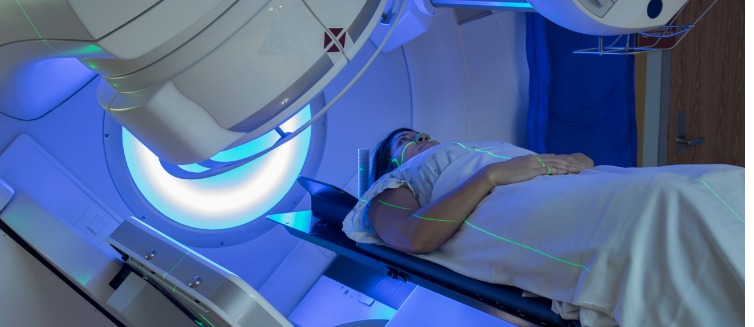


If your doctor has diagnosed you with cancer, they may prescribe external beam radiation therapy. Getting radiation therapy may seem a little scary. However, the process is quick and easy and will hopefully improve your symptoms and outlook.
You may get radiation on its own, but doctors often use it to treat cancer alongside other treatments, including surgery and chemotherapy. A radiation therapist uses a machine to apply this treatment from the outside of the body to treat tumors or other health issues on the inside.
Each patient receives a radiation plan that personalizes radiation type, energy, beam arrangement, table and patient position, immobilization, and other techniques to best increase dose to tumor while sparing normal organs and tissues.
Here are nine things you can expect during your visits as you begin external beam radiation treatment for cancer.
Treatment Tailored to You
Your first radiation visit will include a meeting with your radiation oncologist. This doctor is an expert in the use of radiation to treat cancer.
The radiation oncologist will review your most recent scans and tests at this meeting. They’ll determine the appropriate course of treatment.
This will include which type of radiation they’ll use to deliver that treatment. This choice depends on your tumor’s size, location, and other characteristics.
Your doctor can use many radiation technologies to destroy tumors and alleviate pain from cancer. These machines target the tumor with pinpoint accuracy while sparing the healthy tissue around it.
More Scans and Tests
Your radiation oncologist will likely order additional imaging, such as a CT, MRI, or PET scan. This helps them get the latest information about the location and size of your tumor.
You’ll usually do these scans on a separate visit from the first meeting with your radiation oncologist. The radiation oncology team will use these images to plan your treatment. They’ll also use them to track your progress and determine whether the tumor has shrunk.
Holding You Still
Depending on your tumor’s location, the radiation oncology team will need to help you hold still during treatment. Remaining very still is important if you’re going to minimize damage to surrounding tissue.
They can use several immobilization techniques. These keep you in position during your treatments and include:
- For brain, head, and neck tumors, you may need a mask mold.
- For tumors in other areas, you may need a body mold.
- To prevent movement of the hips or legs, you may need a cradle mold.
Making these molds is like having a dental mold made. The technologist places a cradle or bag of form-fitting material for you to lie on or put a limb into. The material solidifies up around the body part.
They use this to create a mold replicating your exact position in the device. Your technician may also make marks with ink on the skin, molds, or masks to help pinpoint the radiation delivery.
A Pain-Free Experience
Radiation happens at the clinic or hospital. You will change into a gown, go into the radiation room, and lie down on a treatment table.
Over a loudspeaker, the radiation technician will give you any necessary instructions, such as holding your breath for several seconds and staying still.
No matter where you get radiation, you shouldn’t feel discomfort during treatment. People often expect to feel something like heat, a tingling sensation, or pain. That’s just not the case.
You’ll stay awake and in your mold on the treatment table. But the radiation therapy treatment will feel just like getting an x-ray. You won’t feel it at all.
Having Others Around Is OK
The radiation beam used during external beam radiation therapy is only active during your treatments. So, you’re not carrying radiation through the door of the treatment room when you walk out.
You don’t need to take any precautions around other people during treatment. It’s fine to have other people around while you’re getting external beam radiation therapy. You can get treatment over your lunch break and go back to work; no one will know.
Very Mild Side Effects
Radiation treatments have minimal side effects. These side effects are generally mild if they occur. They are also short term; they go away within a couple of weeks of treatment ending.
The most common include:
- Skin burning — You may see the skin turn red and get a feeling of mild sunburn. Doctors can prescribe antibiotics and anti-itch ointments if your skin starts to peel, crack, or bleed.
- Fatigue — Feeling tired after several weeks of treatment is common.
Longer-term side effects of radiation to your lymph nodes include lymphedema. This is long-term swelling that happens when lymph nodes get damaged. You may have other side effects, depending on the body part.
Radiation After Care
Most people have minimal or no activity restrictions during radiation treatment. They often get treatment and go about their daily lives, such as going to work or school. Your doctor will inform you if you need to restrict any activity while getting radiation therapy.
You may feel more tired later in your treatment schedule. As your body is healing from the radiation, make sure to take any extra time you need to rest.
If you’re noticing a mild radiation burn on the skin, avoid scrubbing or scratching it. You can wash the area with warm water and a gentle cleanser and apply aloe, moisturizer, or prescription ointments as directed.
Return Visits
How many sessions you’ll need depends on the type of cancer or other condition. For cancer, it depends on the cancer’s location, size, and treatment goals.
You’ll return to the radiation therapy center. How often depends on which technique the doctor uses.
For example, stereotactic radiosurgery is a type of bloodless surgery that uses radiation to attack cancer cells. You’ll have no more than five sessions at prescribed intervals for this treatment. Each session will take about a half hour to an hour.
On the other hand, conventional radiation therapy requires treatments five days a week (Monday through Friday) for five to six weeks. Each visit will take about 30 minutes. Only about 10 minutes of that time is the treatment.
Cancer Care Near You
UPMC Hillman Cancer Center has multiple locations that can deliver radiation treatments. There’s likely one close to your home. You can get most of your radiation treatment needs met locally, so you don’t have to travel to Shadyside.
Our teams coordinate across locations to deliver the same external beam radiation treatments without the long trip.
Editor's Note: This article was originally published on , and was last reviewed on .