


Pregnancy is an important time to do all you can to take care of yourself. Eating a well-balanced, nutrient-rich diet is key to your health and your fetus’ development.
It’s understandable if you have cravings to go along with your pregnancy glow. However, it’s not okay to think every food and beverage is safe to enjoy during pregnancy. Some foods can be harmful to you and your growing baby.
Read on for things to be mindful of before you reach for that spicy tuna roll or deli sandwich with sprouts.
Why Are There So Many Foods Pregnant Women Should Avoid?
There are so many foods and beverages that pregnant women should avoid because it is best to err on the side of caution to protect yourself and your baby’s growth and development.
That applies to staying away from foods that have been prepared certain ways. It also applies to foods that contain certain chemicals or germs or are more likely to contain them because of how they are grown. Also add alcoholic beverages to your unsafe-during-pregnancy list.
Here are eight things that all pregnant women should avoid. There may be others that apply to you personally that are not on this list. Be sure to talk with your OB-GYN if you are in doubt about the safety of a specific food or beverage.
1. Alcohol
The consensus on alcohol is clear — do not consume it if you are pregnant. When you drink, so does your baby. Alcohol quickly enters your baby’s bloodstream through the placenta.
There is no safe level of alcohol consumption during pregnancy, according to the Centers for Disease Control. Even one or two drinks could have harmful effects on your unborn baby. Ignore well-meaning friends and family who tell you otherwise. Complete abstinence from alcohol is best for you and your baby.
Drinking while pregnant poses a risk of fetal defects and premature birth. Depending on the quantity, timeframe, and patterns of alcohol use, alcohol consumption during pregnancy can cause fetal alcohol syndrome (FAS).
FAS is a group of mental and physical defects that can impact your child for the rest of their life. The may include:
- Cleft palate.
- Defects of the face, fingers, arms, and legs.
- Heart defects.
- Intellectual disability.
There are plenty of mocktails you can enjoy instead of alcohol while you are pregnant. Mix some fruit juices with sparkling water and garnish with fresh fruit. You can stay hydrated and get some extra vitamins and minerals.
2. Raw batter or dough
Maybe you liked to lick the leftover batter off the spoon when you were little. Today, we know it’s not worth the risk — especially for pregnant women. Cookie dough and cake batter made with uncooked eggs can carry salmonella. And, premade cookie dough has been linked to E. coli infections.
Getting sick from either E. coli or salmonella can be extra dangerous for pregnant women. Both can cause fever, nausea, abdominal cramping, vomiting, and diarrhea. Symptoms can last for days and cause dehydration.
Though it is very rare, E. coli and salmonella infections can be passed to the fetus. They can cause complications from miscarriage to low birth weight and preterm labor.
Your best bet is to bake cookies, cakes, and anything that contains eggs before you enjoy them. It’s not worth the risk of infection.
3. Feta, brie, queso fresco, and any soft cheese made from raw milk
Soft cheeses made from unpasteurized milk can harbor listeria or E.coli. These cheeses might say “raw milk” on the label. Cheeses made with unpasteurized milk are 50 to 160 times more likely to cause a listeria infection than cheeses made with pasteurized milk.
Pregnant woman are about 10 times more likely than other people to get listeria infection. Listeria monocytogenes bacterium can cross the placenta of a pregnant woman and also infect a fetus.
Hard cheeses like cheddar cheese and semisoft cheeses such as mozzarella are still safe for snacking. Pasteurized processed cheese slices and spreads like cream cheese and cottage cheese are safe as well.
4. High-mercury fish
Some fish — including shark, tilefish, king mackerel, and others — have high levels of mercury. Mercury is a metal that can lead to a variety of birth defects, including visual and hearing impairment and brain and spinal cord developmental issues. Opt for seafood favorites that are low in mercury, like salmon, tilapia, and shrimp instead.
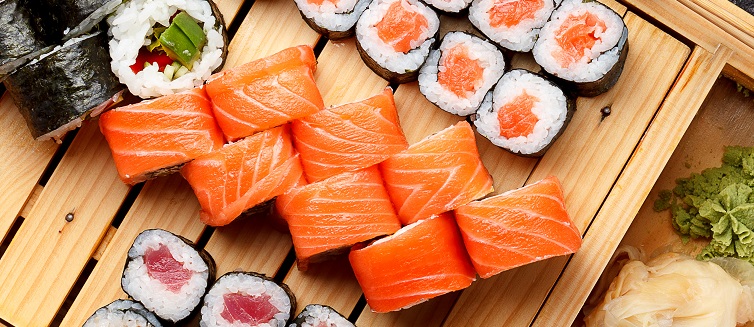
5. Sushi and other undercooked fish and seafood
Seafood is an important source of protein, healthy fats, vitamins, and minerals. Seafood contains omega-3 fats that are especially important for your baby’s brain and eye development.
But raw fish, including sushi, ceviche, raw oysters, clams, and others, is off-limits during pregnancy. Raw or undercooked fish can contain harmful bacteria and cause food poisoning.
Thoroughly cook fish to at least 145 degrees Fahrenheit before eating. Follow this guide to eating seafood during pregnancy to stay safe and protect your developing baby.
6. Unpasteurized milk and juices
Raw cider and milk may contain harmful bacteria. Raw cider may contain E.coli. Unpasteurized milk can contain a host of bacteria. Pasteurization makes these beverages safe.
Pasteurization involves heating milk or milk products at or above a certain temperature for a specified amount of time to destroy pathogens like salmonella, listeria, campylobacter, and E.coli.
Read labels to be certain the products you consume when pregnant have been pasteurized.
7. Raw or undercooked vegetable sprouts
Raw sprouts seem like a healthy option. But sprouts that have been grown in the ground cannot easily be washed to remove or kill listeria. Listeria can live in water, soil, or animal manure, which farmers use as fertilizer.
Cooked mung bean, radish, clover, and alfalfa sprouts thoroughly before you eat them.
8. Grocery store chicken salad and tuna salad, and deli meats
Make salads with mayonnaise-based dressings at home. Ham, chicken, and seafood salads made in grocery stores may not have been properly prepared — leading to risk of listeria exposure.
Processed deli meats also can come in contact with listeria. These include meats like turkey, corned beef, bologna, hot dogs, and dried cured meats like salami.
Editor's Note: This article was originally published on , and was last reviewed on .