

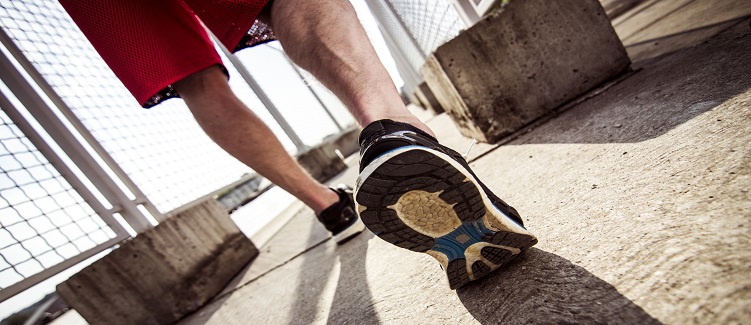


Achilles tendon problems are very common, especially among athletes and middle-aged “weekend warriors.” The largest and strongest tendon in the body, the Achilles anchors the calf muscles to the heel bone – which subjects it to very high forces. When running, the Achilles tendon can pull with a force equal to many times the body weight. And, because it lacks a strong blood supply, the tendon can weaken and degrade over time, putting it at risk of a rupture.
Symptoms of Achilles Tendon Injuries
Achilles tendon injuries may seem to happen suddenly, but they usually result from tiny tears and degeneration that happen over time. These chronic, or long-term injuries, to the tendon microstructure often result from overuse or training. In some cases, the tendon damage goes undetected until a large force, such as a cut or jump, causes it to rupture – often with an audible “pop.” Many patients feel a sharp pain in the back of their leg or ankle.
Types of Achilles Tendon Injuries
The common types of Achilles tendon injuries include:
- Achilles tendonitis – an inflamed or painful tendon.
- Achilles tendinosis, or tendinopathy – tiny tears (microtears) and internal degeneration of the tendon causing soreness or stiffness. It comes on gradually and continues to worsen until treated.
- Achilles tendon rupture – tearing and separation of the tendon fibers so that the tendon can no longer function normally.
Causes of Achilles Tendon Injuries
Common causes of Achilles tendon injuries include:
- Overuse.
- Sudden increase in the amount or intensity of physical activity.
- Improper footwear.
- High arched or flat feet.
- Tight muscles or tendons in the leg.
Achilles Tendon Injury Treatments
Oftentimes, early treatment works best and can prevent additional injury. Minor Achilles tendon discomfort can be treated with rest, anti-inflammatory medication, stretching, and moist heat. A foot and ankle specialist should treat any Achilles tendon discomfort that is stagnating or worsening.
Physical therapy and guided eccentric training are highly effective. Newer specialized treatments can also include Platelet Rich Plasma (PRP) injection therapy, shockwave therapy, and ultrasound-guided tenotomy.
Treatment for severe problems, such as a ruptured tendon, may include surgery, or immobilization in a cast, boot, or brace. Surgery can include repairing a rupture, debriding unhealthy tendon, removing bone spurs on the back of the heel, or re-anchoring the tendon to the heel bone to restore motion and function.
Recovery from Achilles Tendon Surgery
Patients who undergo surgery can expect to be in a cast or boot with crutches for up to six weeks, followed by intensive physical therapy to regain strength and function. It may take up to a year to achieve maximum improvement. Although it takes time, the treatment of Achilles tendon problems can often help people return to sports and other daily activities.
Editor's Note: This video was originally published on , and was last reviewed on .