
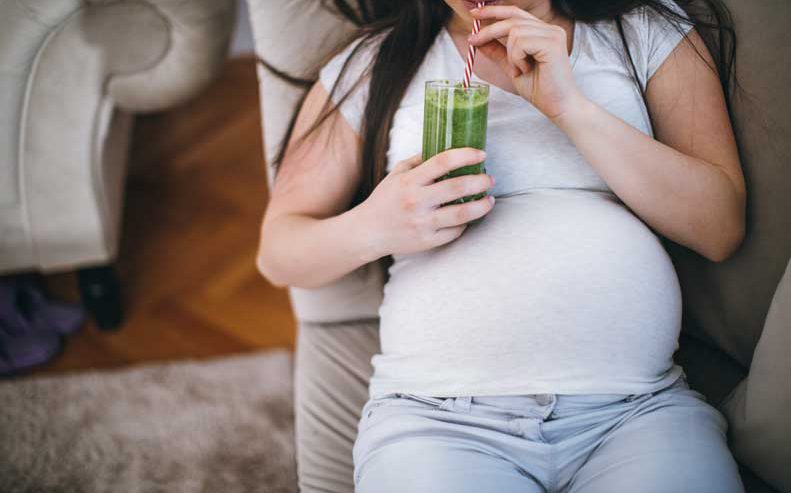


Weight gain is a part of pregnancy. Your body is growing to support your baby’s growth and development. Knowing how much weight to gain to ensure you and your baby stay healthy is important.
Only 1 in 3 women gain the recommended amount of weight during pregnancy. That’s according to the Centers for Disease Control and Prevention (CDC). About 1 in 5 women gain too little weight, while about 1 in 2 gain too much.
Gaining too little or too much weight during pregnancy can come with risks for you and your baby. Learn more about the recommendations and how you can stay healthy.
How Much Weight Should You Gain During Pregnancy?
The amount of weight you should gain during pregnancy is different for everyone. However, your doctor can give you a range that’s likely best for you.
Your weight should increase gradually over your pregnancy, Most of this should happen in the second and third trimesters.
The CDC bases its recommendations for pregnancy weight gain on your prepregnancy body mass index (BMI). These recommendations are as follows:
- Underweight BMI — If your BMI was less than 18.5 before pregnancy, you should gain 28 to 40 pounds during pregnancy.
- Normal weight BMI — If your BMI was between 18.5 and 24.9 before pregnancy, you should gain 25 to 35 pounds during pregnancy.
- Overweight BMI — If your BMI was between 25 and 29.9 before pregnancy, you should gain 15 to 25 pounds during pregnancy.
- Obese BMI — If your BMI was between 30 and 39.9 before pregnancy, you should gain 11 to 20 pounds during pregnancy.
If you’re having twins, the recommendations for pregnancy weight gain are higher:
- Underweight BMI — 50 to 62 pounds.
- Normal BMI — 37 to 54 pounds.
- Overweight BMI — 31 to 50 pounds.
- Obese BMI — 25 to 42 pounds.
Keep in mind that these are averages. Everyone has different health concerns that can affect their weight gain, such as gestational diabetes or the baby’s size.
Make sure you talk to your doctor about your health needs to determine how much weight you should gain. The most important thing is to stay healthy during your pregnancy.
Should I eat more during pregnancy?
You don’t have to “eat for two,” but you should aim to take in some extra calories during your second and third trimesters.
During the first trimester, you don’t have to eat any additional calories. That’s according to the CDC. You should aim for about 340 extra calories per day during your second trimester and 450 extra calories per day during your third trimester.
Aim to eat the most nutritious food you can as often as you can. Eat plenty of fruits and vegetables, avoid fried or fatty foods, and drink plenty of water.
You should also get regular exercise. Aim for 150 minutes of moderate-intensity cardiovascular exercise per week.
Where does the weight go during pregnancy?
Many parts of your body are growing, all accounting for extra weight. According to MedlinePlus, a 35-pound weight gain during pregnancy may break down like this:
- Amniotic fluid — 2 to 3 pounds.
- Baby — 8 pounds.
- Breast tissue — 2 to 3 pounds.
- Extra blood supply — 4 pounds.
- Fat storage — 5 to 9 pounds.
- Growing uterus — 2 to 5 pounds.
- Placenta — 2 to 3 pounds.
What Are the Risks of Excessive Weight Gain During Pregnancy?
Gaining too much or too little weight can have health implications for you and your baby.
Too much weight gain increases the risk of:
- Gestational diabetes.
- High blood pressure (hypertension), including preeclampsia.
- A higher birth weight for your baby.
- Higher weight retention after pregnancy.
- Needing a cesarean section (C-section).
- Pregnancy complications, including miscarriage, stillbirth, premature birth, and maternal death.
Excessive weight gain during pregnancy and weight retention afterward can also cause fertility challenges later.
Gaining too little weight can also pose risks. It raises the risk of preterm birth and low birth weight for your baby.
Don’t stress too much if you find you’re not gaining a lot of weight in the first trimester because of nausea and vomiting. Just make sure you let your doctor know about it so you can keep an eye on your health as your pregnancy progresses.
Is it safe to lose weight during pregnancy?
You shouldn’t try to lose weight during pregnancy. This can cause complications for you and your baby.
Losing a small amount of weight in the first trimester can occur because of morning sickness and a loss of appetite. However, a severe form of morning sickness known as hyperemesis gravidarum can cause you to lose up to 5% of your prepregnancy weight.
If you notice you’re losing a significant amount of weight during your first trimester, talk to your doctor.
How Quickly Should I Gain Weight?
Most pregnant women don’t gain much in the first three months. In the second trimester, you start getting a nice bump, and the scale ticks higher. You’ll probably average a gain of about half a pound to a pound per week in the second and third trimesters.
The CDC recommends tracking your weight weekly. Try to weigh yourself at the same time each week, wearing no shoes and light clothing. This can help ensure you’re on the right track.
What Should I Do if I Gain Too Much Weight During Pregnancy?
Talk to your doctor if you believe you’re gaining too much weight or gaining weight too quickly during pregnancy. They can evaluate you and determine whether your weight gain is on the right track. They may recommend lifestyle changes, such as healthier foods or exercise, to keep your weight gain on track.
You shouldn’t try to diet or make any other significant changes on your own to try to lose weight.
When to Talk to Your Doctor About Excessive Weight Gain
You should stay in contact with your doctor throughout your pregnancy. If you believe you’re gaining too little or too much weight, talk to them for guidance.
If you notice a rapid weight gain, such as 2 or more pounds in a week, contact your doctor. This is a possible sign of preeclampsia.
You should also contact your doctor if you notice other signs of preeclampsia, including:
- Belly pain.
- Breathing problems.
- Headaches that don’t go away.
- Nausea and vomiting.
- Swelling in your hands, face, or legs.
- Vision changes.
You should also talk to your doctor if you’re losing weight during your second or third trimester.
Sometimes, it’s tough when the scale moves too much or not enough. Keep focused on making healthy choices and talk to your doctor if you’re feeling concerned.
Learn more about having a healthy pregnancy.
Editor's Note: This article was originally published on , and was last reviewed on .