



A stroke, also known as a brain attack, can happen at any age — not just to older adults, as is commonly thought.
Strokes occur when blood flow to the brain is disrupted, depriving brain cells of the oxygen they need. This loss of blood flow can result in varying degrees of disability, depending on which part of the brain is affected.
There are two main types of strokes:
- Ischemic stroke — The most common type, ischemic strokes make up about 85% of all strokes. It happens when a blood clot blocks a blood vessel in or leading to the brain. Subtypes of ischemic stroke are often linked to issues with the heart, blood vessels, or blood composition. A related condition, called transient ischemic attack (TIA) or mini-stroke, occurs when blood flow to the brain is briefly interrupted. Although TIA symptoms are temporary, they can be a warning sign for future strokes and warrant medical attention.
- Hemorrhagic Stroke: This type occurs when a blood vessel in the brain ruptures or leaks. Hemorrhagic strokes are less common but can be particularly severe, often resulting from high blood pressure or blood vessel abnormalities.
How Strokes Are Treated
Treatment varies based on the type of stroke:
Ischemic stroke treatment
The primary goal in treating an ischemic stroke is to restore blood flow to the brain as quickly as possible.
Common treatment options include:
- Clot-dissolving medications — Drugs like IV-tPA or TNK can dissolve blood clots, restoring blood flow and reducing stroke-related disability. However, this treatment is most effective when administered within four and a half hours of the stroke’s onset.
- Endovascular thrombectomy (EVT) — For certain patients, EVT, also called mechanical thrombectomy, is an advanced option. This procedure, available at specialized centers like the UPMC Stroke Institute, involves physically removing the clot to restore blood flow.
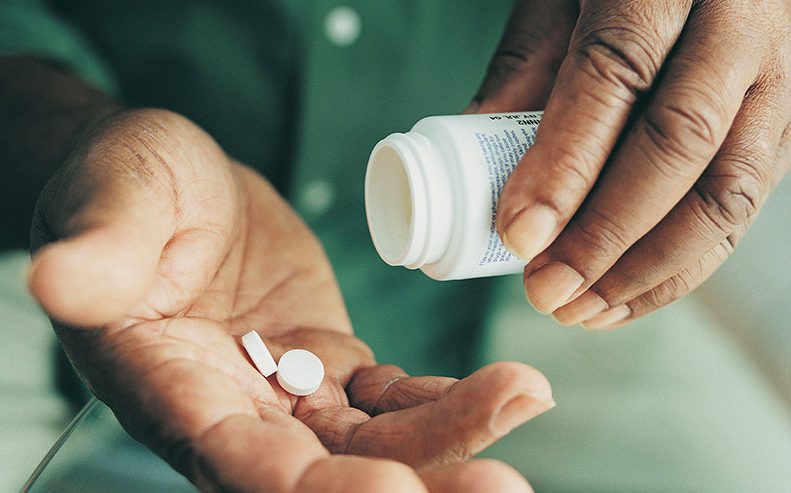
For patients who have had a TIA or small strokes, the focus is on prevention. Doctors may prescribe blood-thinning medications, such as antiplatelet drugs (e.g., aspirin, Plavix®) or anticoagulants (e.g., heparin, warfarin), to reduce the risk of future clots.
In some cases, surgical intervention to repair blood vessels or other procedures may be recommended.
Hemorrhagic Stroke Treatment
For hemorrhagic strokes, treatment aims to control bleeding and reduce pressure on the brain.
Options include:
- Medications — Drugs may be used to address the underlying cause of the bleeding and lower blood pressure, helping to prevent further damage.
- Surgical intervention — In some cases, surgery may be necessary to relieve pressure on the brain or prevent additional bleeding.
If you believe someone is having a stroke, call 911 immediately.
Editor's Note: This article was originally published on , and was last reviewed on .