
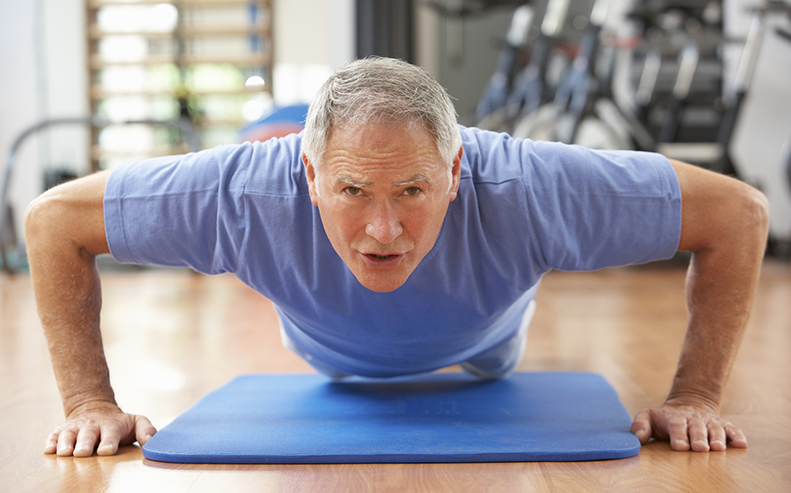


We all know that exercise is one of the most critical aspects of how to lead a healthy lifestyle. That’s even more important in people with Parkinson’s disease. Exercise can help people with Parkinson’s disease live more fulfilling and active lives.
Before effective drug therapies arrived in the 1960s, doctors would have their people with Parkinson’s disease exercise as much as possible. They believed that workouts helped combat the progressive symptoms of the disease. At that time, though, there was no research to back the claim.
Recent studies have shown that exercising three times a week at a level high enough to break a sweat and raise the heart rate can counter, and even delay, the onset of progressive Parkinson’s symptoms. The findings are so promising that The Michael J. Fox Foundation for Parkinson’s Research has funded millions of dollars in exercise research.
How Exercise Benefits People With Parkinson’s
Parkinson’s disease affects the brain by reducing the number and activity of brain cells that make dopamine. This brain chemical allows the brain cells to talk to muscles throughout the body.
When this process is disrupted, people start to have abnormal movements, like shaking. It also leads to declining motor skills, such as trouble walking, writing, or tying shoes.
Research at the University of Pittsburgh shows the impact of exercise in animal studies. Lab mice with a disease similar to Parkinson’s had more blood flow and brain cell connections when exercising. This means the neurons are firing with more energy, and the cells live longer.
In humans, these changes could slow the progression of Parkinson’s disease symptoms.
“Exercise is a very important part of trying to treat Parkinson’s disease,” says Priya Cardone, DO. Dr. Cardone is a Parkinson’s disease and movement disorders specialist at UPMC. “We try to keep patients on an active regimen. In addition to helping slow the symptoms, exercise can also help improve gait, balance, flexibility, grip strength and motor coordination. These are all important when dealing with such a debilitating disease.”
What Exercises Help?
People with Parkinson’s disease can benefit from various exercises. According to Dr. Cardone, one vital aspect to remember is that the more intense the exercise, the better.
“I always advise my patients to exercise with intensity for as long as possible as often as possible,” Dr. Cardone said. “Research shows that intense exercise helps the brain use dopamine more efficiently. This is what can possibly slow the progress of Parkinson’s disease.”
Exercises that are beneficial for people with Parkinson’s disease include:
- Cycling.
- Rowing.
- Non-contact boxing.
- Swimming and water aerobics.
- High-intensity walking.
Other activities that may benefit people with Parkinson’s disease include:
- Weight training
- Pilates
- Tai chi
- Yoga
Learn more about how UPMC experts treat patients with Parkinson’s disease.
Editor's Note: This article was originally published on , and was last reviewed on .